
Why Japanese Melons Are So Expensive
Japanese melons, such as the famous Yubari King or Musk Melon, are expensive due to a combination of cultural, agricultural, and market factors: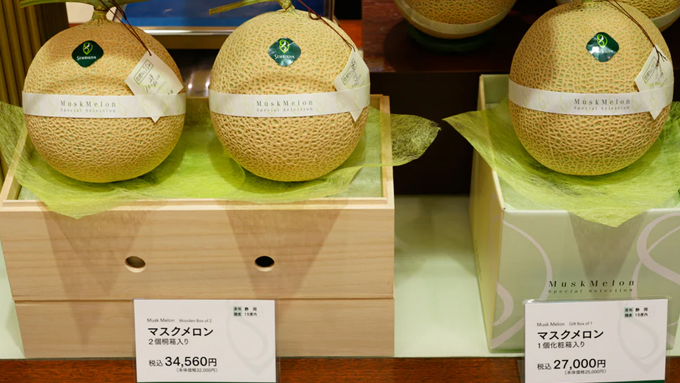
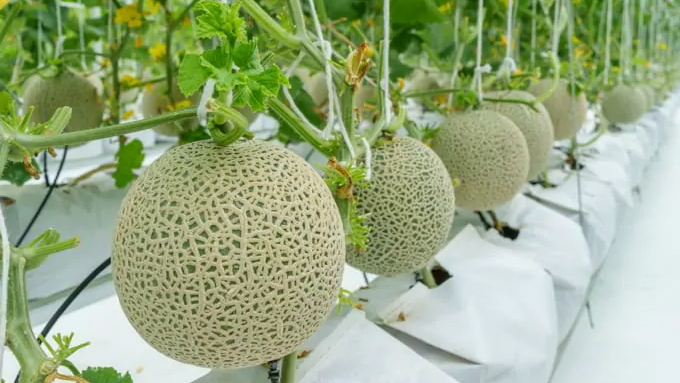
- Rigorous cultivation standards – These melons are often grown in greenhouses with precise temperature, humidity, and soil control. Some farms use techniques like "one plant, one fruit" to concentrate nutrients into a single melon.
- Time and labor intensity – Farmers may manually pollinate each flower, trim vines daily, and even give melons "hats" to protect them from sun damage. This hands-on care increases production costs.
- Grading and aesthetics – Melons are judged on perfect shape, netting pattern, sugar content (often above 15° Brix), and flavor. Any imperfection can downgrade the fruit, making perfect specimens rare and costly.
- Gift-giving culture – In Japan, premium fruit is a status symbol given as high-end gifts. As a result, melons are often purchased for presentation, not everyday consumption, and are sold in luxury packaging.
- Limited harvest and seasonality – The growing season is short, and yields are low. Yubari King melons, for example, are only grown in a specific region of Hokkaido, which limits supply.
- Auction and branding – Some melons are sold at annual auctions, where first-of-the-season melons can fetch tens of thousands of dollars (e.g., a pair of Yubari King melons sold for over $45,000 in 2019). This publicity reinforces their luxury status.
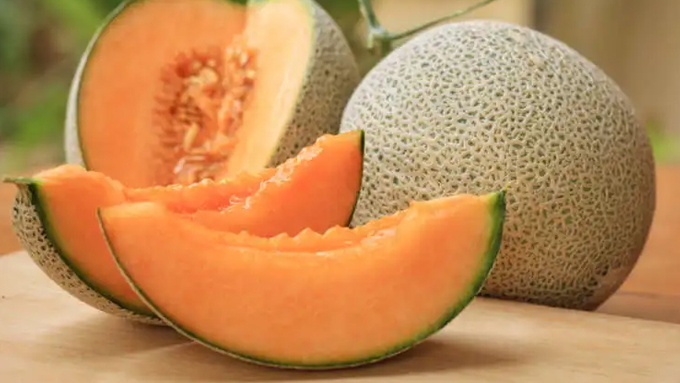
While ordinary melons in Japan are more affordable (around 50–200 or more, driven by quality, scarcity, and cultural prestige.
Danh mục
Danh mục! Chưa được thiết lập.


