
Malaysia Agriculture Wholesale Market Overview
Here’s a comprehensive overview of the agricultural wholesale market in Malaysia — how it’s structured, key players, market dynamics, and the institutional framework supporting agricultural marketing and distribution.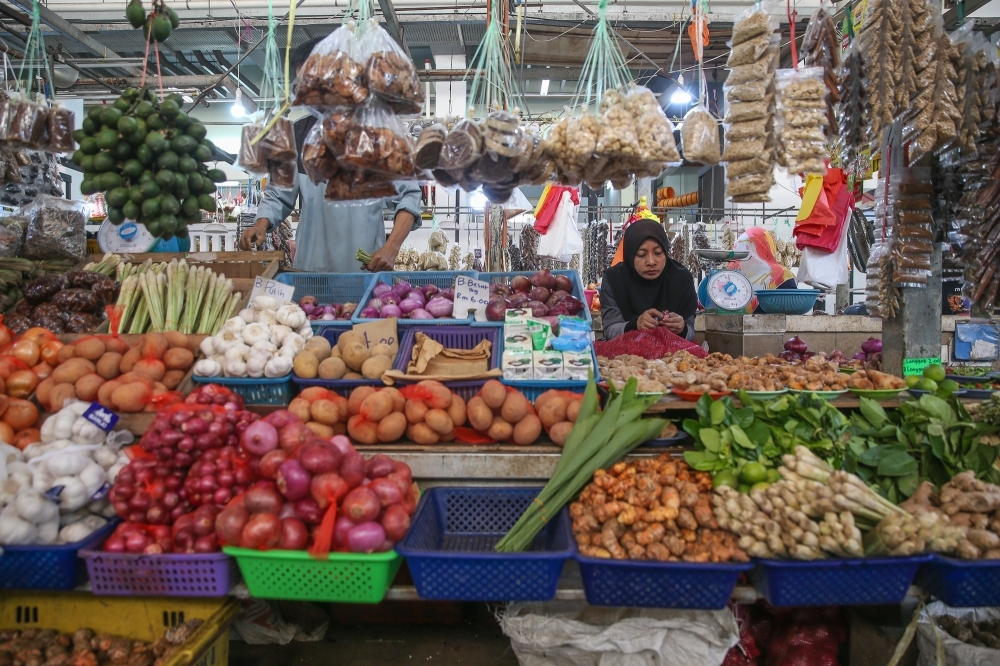
1. Market Structure & Key Wholesale Hubs
🥦Major Pasar Borong (Wholesale Markets)
Malaysia operates a network of wholesale markets that serve as key distribution points for agricultural commodities — especially fresh produce, fishery products, poultry, meat, and dry goods. These markets are critical nodes connecting farmers, distributors, retailers, and food service businesses:
- - Pasar Borong Selangor (Seri Kembangan) – A large wholesale complex offering fresh produce, vegetables, fish, poultry, and dry goods. It operates 24/7 and serves as a regional supply hub for Selangor and neighboring states.
- - Pasar Borong Pelabuhan Klang (Selangor) – Major wholesale center in the Klang-Port Klang area.
- - Pasar Borong Bukit Mertajam (Penang) – Among the largest wholesale markets in Malaysia by volume of fresh produce handled annually, supplying both local and imported products.
- Other wholesale markets nationwide – Across Perlis, Kedah, Pulau Pinang, Perak and other states, wholesale markets facilitate distribution of fresh produce and seafood.
These markets are vital for ensuring consistent supply and competitive pricing for retailers and food businesses.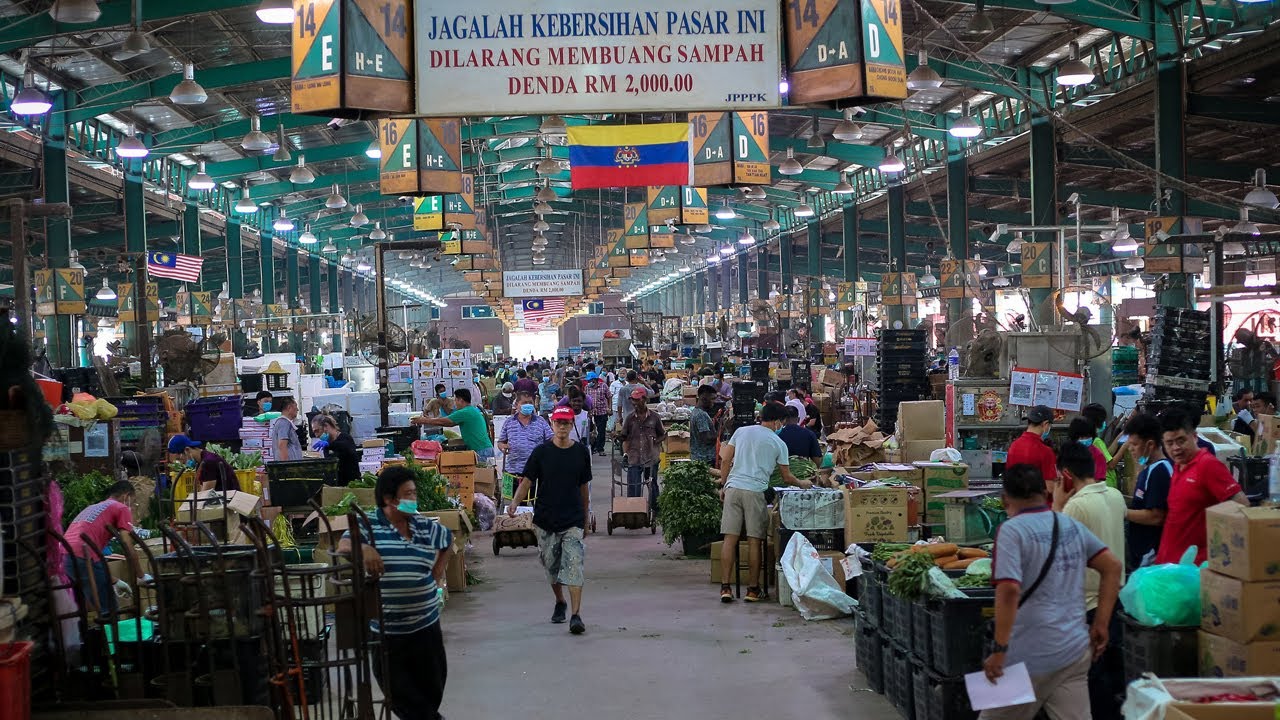
2. Institutional Framework: FAMA
A major institutional player is:
Federal Agricultural Marketing Authority (FAMA)
4.2•Agriculture
-
A statutory body under Malaysia’s Ministry of Agriculture and Food Industries responsible for agricultural product marketing, distribution, and price stabilization domestically and internationally.
- It works to enhance efficiency in the agriculture supply chain, expand market access for smallholders, and make agro-food products affordable.
- Key functions include marketing infrastructure development, product branding, contract farming support, and digital marketing platforms like Agrobazaar Online for connecting producers with buyers.
- FAMA also organizes weekly Pasar Tani (farmers markets) and mobile programs (e.g., Agro-Caravan) to bring produce closer to consumers, helping farmers reach retail markets without intermediaries.
FAMA plays a central role in stabilizing agricultural prices, improving farmer incomes, and integrating small producers into formal markets.
3. Market Drivers & Dynamics
🧑🌾 Supply and Demand
-
Malaysia’s agribusiness sector underpins food security and rural employment, accounting for a significant share of GDP and employment.
- Growing domestic demand for diverse food products (rice, fruits, vegetables, poultry) drives wholesale activity and necessitates efficient supply systems.
-
Market Growth
-
The broader agribusiness market (which feeds into wholesale demand) was USD ~14.33 billion in 2024 and projected to reach USD ~18.33 billion by 2033, reflecting steady growth supported by technology adoption and food security initiatives.
-
-
Distribution Trends
-
Traditional wholesale markets continue to play a central role, especially for fresh produce — though digital marketplaces and B2B platforms are increasingly used for bulk procurement and supply chain efficiency.
-
-
Challenges
-
Agricultural wholesale markets are sensitive to supply disruptions from climate events, labor availability, and transport issues. Wholesale supply chains must adapt to these pressures to maintain affordable pricing.
-
Market modernization and digital integration are ongoing needs to compete with modern retail and e-commerce channels.
4. Role of Wholesale Channels
Wholesale markets and supply systems in Malaysia serve several essential economic functions:
- Bulk aggregation of farm output — enabling efficient handling and distribution of perishable goods.
- Price discovery & stabilization — helping retailers and food processors source competitively.
- Supply chain linkage — connecting rural producers with urban centers.
- Food security support — markets help maintain supply continuity, especially for vegetables and staple foods.
These functions make wholesale markets indispensable in the agricultural value chain, especially for smallholder farmers and traders.
Danh mục
Danh mục! Chưa được thiết lập.


