
Why Cashew Nuts Are So Expensive
Cashew nuts are surprisingly expensive due to a combination of labor-intensive processing, limited growing regions, and market demand. Here’s a breakdown of the key reasons:

1. Extremely Labor-Intensive Processing
This is the single biggest factor. Unlike most nuts, cashews cannot be eaten straight from the tree. The nut is encased in a double shell that contains urushiol—the same toxic oil found in poison ivy. Handling raw cashews requires multiple dangerous steps:
-
Hand-shelling: Workers must crack the shell without letting the toxic oil touch their skin, causing severe burns. This is done manually or with basic tools.
-
Roasting or steaming: First, the nuts are roasted to neutralize the oil and make the shell brittle.
-
Peeling and drying: After shelling, the thin, bitter skin (testa) is peeled off by hand.
-
Grading and cleaning: Each kernel is manually inspected and sorted by size and quality.
Only about 10–15% of the weight of a whole raw cashew becomes the edible kernel. Most of the weight is lost to shells, skin, and waste.

2. The Toxic Shell Layer
The caustic oil inside the shell (cardol and anacardic acid) means:
-
Shelling cannot be fully automated like almonds or peanuts.
-
Factories must invest in protective equipment, ventilation, and training.
-
Workers earn higher wages due to health risks.
Even with gloves, long-term exposure causes skin and respiratory issues, so labor turnover is high.
3. Limited Growing Regions
Cashew trees grow only in tropical climates with distinct dry seasons. Major producers include:
-
Vietnam (top exporter)
-
India
-
Ivory Coast
-
Nigeria
-
Brazil
The trees take 3–5 years to bear nuts and require specific soil and rainfall. Production is vulnerable to weather fluctuations, disease, and price swings.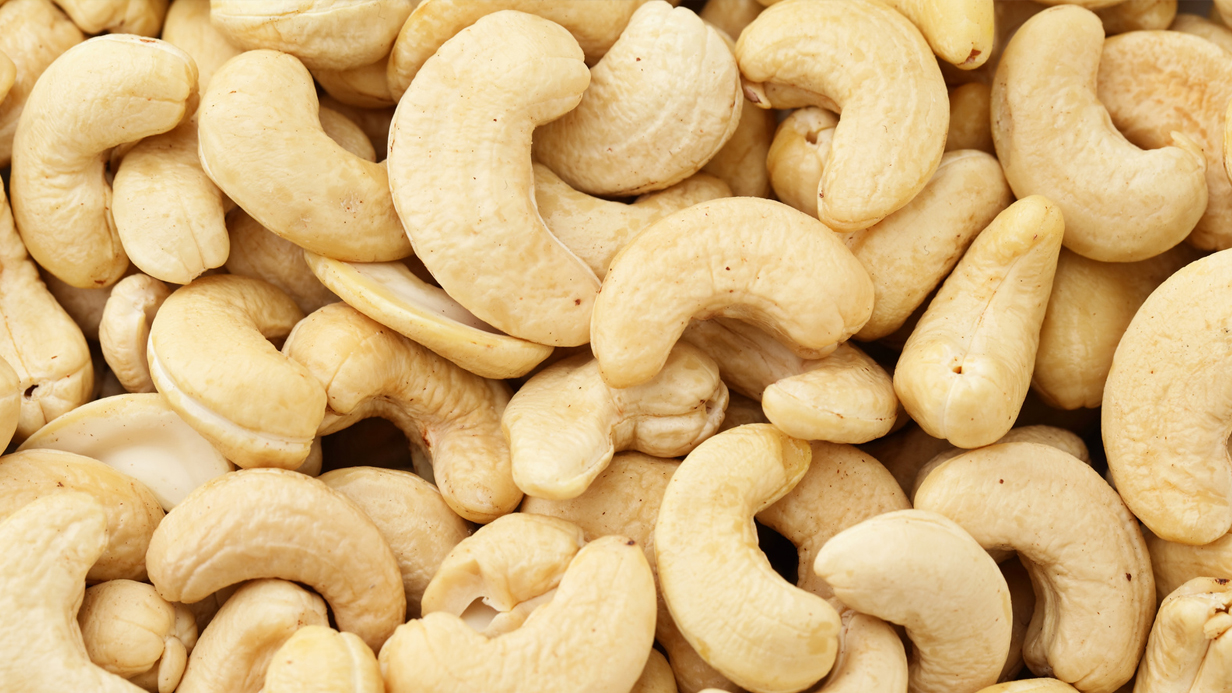

4. Low Yield Per Tree
A single cashew tree produces only 200–300 nuts per year (about 25–50 kg of raw nuts). By contrast, an almond tree can yield 20–30 kg of kernels. The low density of usable product drives up land and maintenance costs.
5. Post-Harvest Fragility
Raw cashews spoil quickly after falling from the tree due to high moisture and fungal risk. They must be dried, roasted, or frozen within 24–48 hours. This adds to processing urgency and infrastructure costs.
6. Supply Chain & Labor Markets
-
Most processing is done in Vietnam and India, where wages have risen significantly in the last decade.
-
Export duties, shipping costs (nuts are heavy), and import tariffs add 20–50% to final prices in Western markets.
-
Seasonal labor shortages during harvest (February–May) can spike prices.
7. High Demand
Cashews are valued for their creamy texture, mild taste, and health benefits (heart-healthy fats, copper, magnesium). Global demand has grown 5–7% annually, outpacing supply. They are also used in dairy substitutes (cashew milk, cheese), vegan cooking, and premium snacks, further lifting prices.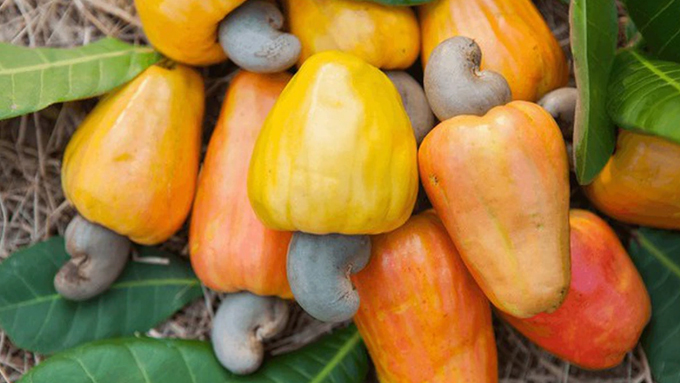
Comparison with Other Nuts
| Nut | Shelling method | Labor cost | Yield per tree (kernels) |
|---|---|---|---|
| Almonds | Mechanical crack | Low | 20–30 kg |
| Walnuts | Mechanical crack | Low | 30–50 kg |
| Peanuts | Mechanical shell | Very low | 50–100 kg |
| Cashews | Manual, dangerous | High | 4–7 kg |
Can Cashews Ever Be Cheaper?
-
Mechanical alternatives: Some factories use semi-automatic crackers, but the irregular shape of cashews still requires hand trimming.
-
Genetic modification: Researchers are trying to breed cashews with less toxic shells, but this is years away.
-
Fair trade/ethical pricing: Many consumers accept higher prices to avoid forced labor in processing (a known issue in some regions).
Bottom Line
You are paying for the dangerous manual labor needed to extract a tiny, tasty kernel from a toxic shell. Unless a fully automated, safe process is invented, cashews will remain a premium nut.
...........
Công ty cổ phần DoDo Global là một trong những đơn vị chuyên về xuất nhập khẩu, phân phối và mua bán khoai tây , cà rốt, hành tây, tỏi , rau củ quả tại Việt Nam. Với nhiều năm kinh nghiệm trong lĩnh vực nông sản, đặc biệt là tỏi và hành tây, gừng, ớt, nông sản. DODO đã khẳng định vị thế của mình trên thị trường trong nước và quốc tế.
DODO chia sẻ những sản phẩm tốt nhất, giá cả tốt nhất và phục vụ tốt nhất tới khách hàng.
Hiện tại DODO đã có hơn 2 triệu người theo dõi DODO trên các mạng xã hội như:
Facebook, Youtube, Tiktok, Instagarm, Linhkedin... để tất cả mọi người để tìm kiếm DODO.
...........
DODO Global Joint Stock Company is a reputable company specialising in importing, exporting, wholesale, and distributing in Vietnam. With a strong presence in the agricultural market, DODO supplies high-quality Vegetables (garlic, onion, potato, ginger, chilli, and carrot...) and fruit for domestic and international buyers, ensuring competitive prices and reliable sourcing. and export Vietnam Agriculture.
DODO is committed to providing its customers with the best products, prices, and service.
You can now find DODO on social media platforms, including Facebook, YouTube, TikTok,
Instagram and LinkedIn, where we have a community of over 2 million followers.
...........
DODO Global 股份公司在越南专业做进出口, 批发农产品.
DODO在农业市场上拥有强大的影响力,为国内外买家提供高质量的大蒜、洋葱、土豆、生姜、辣椒、胡萝卜、蔬菜和水果,确保价格竞争力强且来源可靠,并出口越南农产品。
我们在网站、Facebook、YouTube、Tiktok、Instagram、LinkedIn 等平台上拥有营销系统,
拥有超过 200 万粉丝。我们在网站, 电子商务 卖产品.
...........
If you want to talk business? Contact for business/联系我们/ Liên hệ:
微信Wechat/ Whatsapp/ Line/ Viber/ Kakao talk: +84 0931 829 221
Email: dodofoods.vn@gmail.com
...........
⭐️Follow us on/ 关注我们/ Theo dõi chúng tôi:
Website/网站: https://dodofood.vn/
Facebook: https://www.facebook.com/dodoglobal.vn/
YouTube: https://www.youtube.com/@DodoGlobal
Instagram: https://www.instagram.com/greenfarmforum
Instagram: https://www.instagram.com/dodofood.vn
Danh mục
Danh mục! Chưa được thiết lập.


