
Should Organic Food Be So Expensive?
Organic food is expensive for good reasons, but whether it should be is a matter of values and priorities.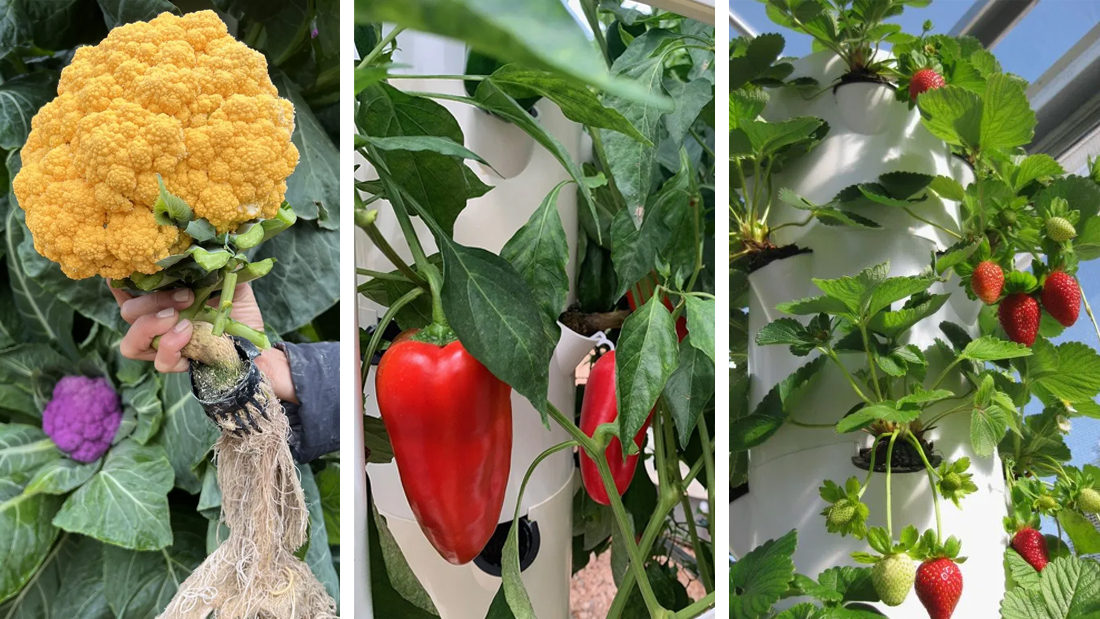
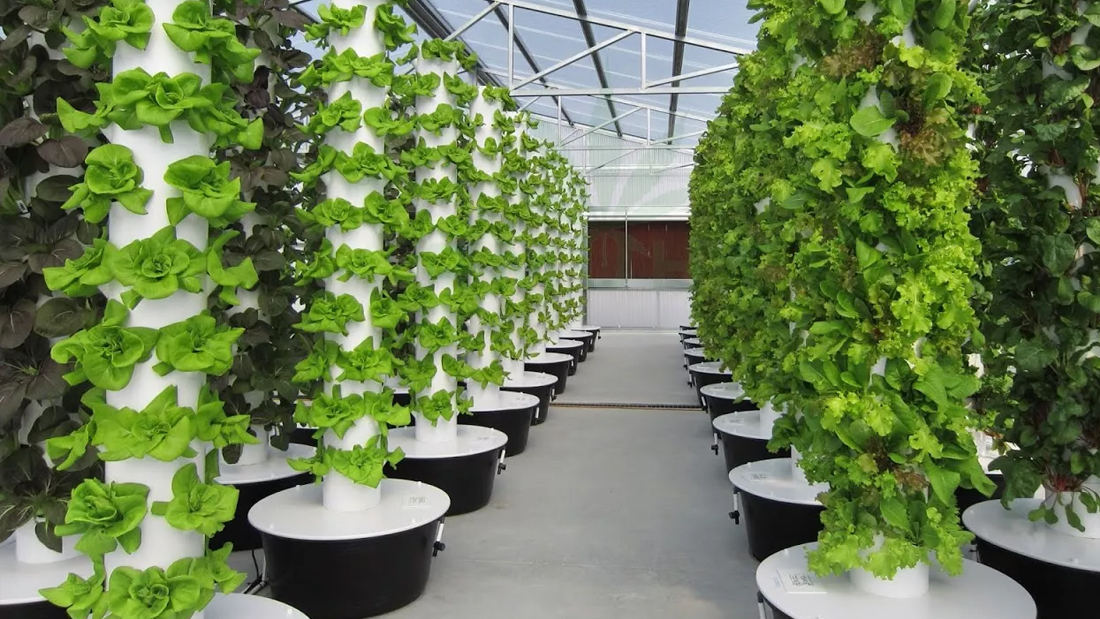
Let's break down why it costs more, and then weigh the arguments for and against that high price.
Why Organic Food is So Expensive: The Real Costs
The price tag isn't arbitrary. It reflects fundamentally different farming systems.
- Higher Production Costs (The Biggest Factor)
-
No synthetic pesticides/herbicides: Farmers rely on physical weeding, crop rotation, and beneficial insects. These are more labor-intensive and less immediately effective than spraying a chemical. Labor is expensive.
-
No synthetic fertilizers: They use compost, manure, and cover cropping. These release nutrients more slowly and are bulkier and costlier to apply than concentrated chemical fertilizers.
-
Slower animal growth: Organic livestock cannot be given growth hormones or routine antibiotics. They must have access to outdoors and pasture. Animals take longer to reach slaughter weight, meaning more feed, land, and care per pound of meat.
-
Lower yields: On average, organic farms produce 10-20% less food per acre than conventional farms, especially for staple crops like wheat and corn. The same land costs spread over less output means higher price per unit.
-
- Stricter Certification and Compliance
-
Farmers pay annual fees for organic certification.
-
They must maintain a detailed, audited paper trail (Organic System Plan).
-
There are mandatory buffer zones to prevent drift from neighboring conventional farms.
-
Inspections are unannounced and rigorous. All this adds administrative and operational cost.
-
- Post-Harvest Handling & Shorter Shelf Life
-
Organic products often need to be processed and transported separately to avoid contamination with non-organic items.
-
Without synthetic preservatives or heavy chemical washes (e.g., wax on apples), organic produce can spoil faster, leading to more waste that must be priced into the goods that do sell.
-
- Economies of Scale & Supply Chain
-
-
Conventional farming is a highly optimized, massive industrial system with subsidies, dedicated logistics, and enormous processing plants. Organic is smaller, more fragmented, and lacks this infrastructure, leading to higher per-unit costs for everything from packaging to shipping.
-
The Case FOR the High Price (It Should Be Expensive)
-
Internalizes True Costs: The conventional price is artificially low because it doesn't pay for its externalities: pesticide runoff polluting drinking water, soil depletion, antibiotic resistance, greenhouse gas emissions from synthetic fertilizer production, and health impacts on farmworkers. Organic prices reflect a more honest, sustainable system.
-
Rewards Farmer Skill & Effort: Managing a complex organic system without chemical "quick fixes" requires immense knowledge and hard physical labor. The higher price is a just reward for that expertise and toil.
-
Environmental & Health Benefits are Real: For the individual, it may mean less pesticide exposure. For society, it means healthier soil (carbon storage), cleaner water, and greater biodiversity (bees, birds, insects). These are public goods that should cost something.
-
Market Signal: The high price sends a clear signal to farmers to transition to organic methods. If it were cheap, everyone would do it, and the term "organic" would lose its meaning and integrity.
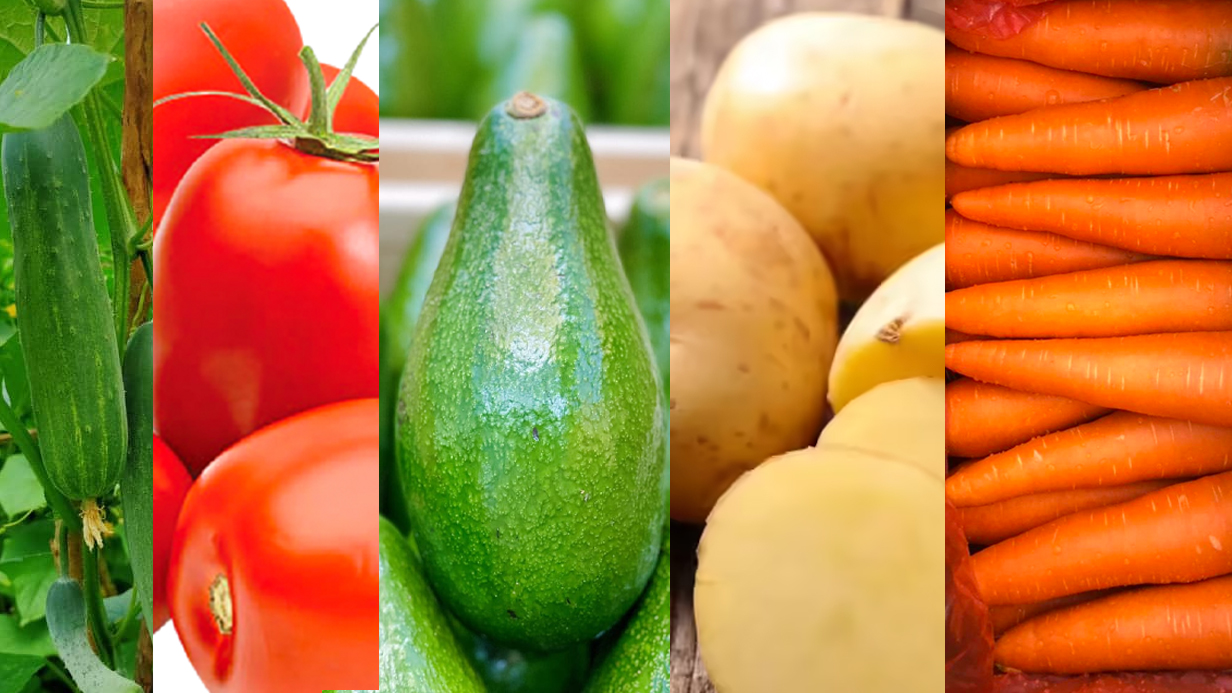
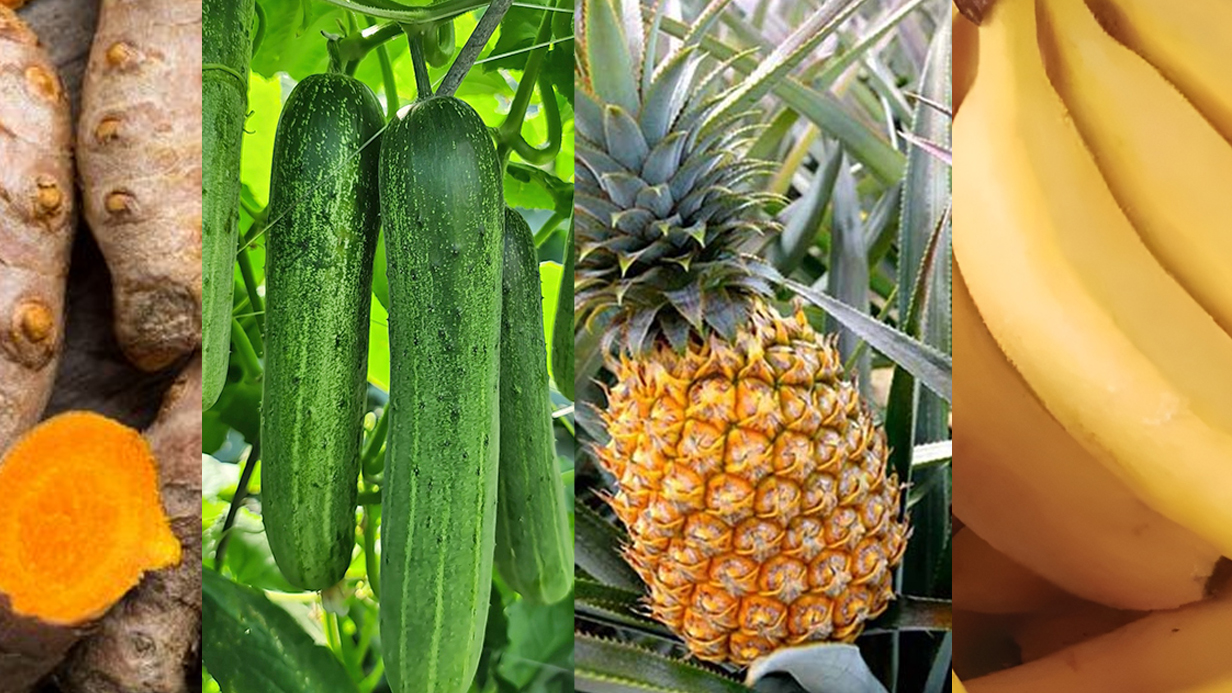
The Case AGAINST the High Price (It Should Not Be So Expensive)
-
Excludes Most People: The premium (often 20-100%+ higher) makes organic food a luxury for the wealthy. This is fundamentally unfair. Access to food with fewer pesticides should not be a class privilege.
-
The "Health Halo" is Overblown: For the average consumer, the nutritional difference between organic and conventional produce is negligible. The most important thing is to eat more fruits and vegetables, whether organic or not. The high price may scare people away from healthy produce altogether.
-
Not a Perfect System: Organic farms can still use "natural" but questionable pesticides (e.g., copper sulfate, rotenone). Large-scale organic farming can mimic conventional monocultures, losing many environmental benefits. The certification favors big farms over small local ones.
-
Logistics & Scale Can Improve: The price gap could shrink with better supply chains, more research into organic methods, and government subsidies equal to those for conventional ag. The current high price partly reflects a system that is still the underdog.
So, What's the Verdict?
Instead of asking "Should it be this expensive?", a more useful question is: "What is the price telling us?"
-
The high price is a logical and honest reflection of a more labor- and land-intensive farming system. It's not a scam or corporate greed (at the farm level, organic profit margins are often razor-thin).
-
However, a system that makes healthier soil, cleaner water, and lower pesticide exposure a luxury good for the rich is a social and ethical failure.
A More Pragmatic Conclusion for the Consumer:
- Don't let "expensive organic" stop you from eating healthy. Frozen or canned conventional vegetables are still incredibly good for you. The "Dirty Dozen" vs. "Clean 15" list (by EWG) is a good guide for where organic matters most (e.g., strawberries, spinach) and least (e.g., avocado, onions).
- Consider alternatives to the "Organic" label:
-
Local Farmers' Markets: Small farmers may use organic practices but can't afford certification. Ask them!
-
Community Supported Agriculture (CSA): Shares in a local farm can be surprisingly affordable and provide very high-quality, low-chemical produce.
-
- Vote with your ballot, not just your wallet. The real problem isn't that organic is expensive. It's that conventional food is artificially cheap due to subsidies and unpaid environmental damage. Support policies that:
-
-
Shift farm subsidies towards sustainable practices.
-
Fund research to lower organic yield gaps.
-
Make "true cost accounting" part of food pricing.
-
Final Answer: Yes, organic food's high price is justified by its real production costs and benefits. But no, it shouldn't be so expensive that it's inaccessible to most people. The solution isn't to make organic cheaper by lowering standards, but to make conventional food more expensive by requiring it to clean up its act, while subsidizing the transition to sustainable farming for everyone.
...........
Công ty cổ phần DoDo Global là một trong những đơn vị chuyên về xuất nhập khẩu, phân phối và mua bán khoai tây , cà rốt, hành tây, tỏi , rau củ quả tại Việt Nam. Với nhiều năm kinh nghiệm trong lĩnh vực nông sản, đặc biệt là tỏi và hành tây, gừng, ớt, nông sản. DODO đã khẳng định vị thế của mình trên thị trường trong nước và quốc tế.
DODO chia sẻ những sản phẩm tốt nhất, giá cả tốt nhất và phục vụ tốt nhất tới khách hàng.
Hiện tại DODO đã có hơn 2 triệu người theo dõi DODO trên các mạng xã hội như:
Facebook, Youtube, Tiktok, Instagarm, Linhkedin... để tất cả mọi người để tìm kiếm DODO.
...........
DODO Global Joint Stock Company is a reputable company specialising in importing, exporting, wholesale, and distributing in Vietnam. With a strong presence in the agricultural market, DODO supplies high-quality Vegetables (garlic, onion, potato, ginger, chilli, and carrot...) and fruit for domestic and international buyers, ensuring competitive prices and reliable sourcing. and export Vietnam Agriculture.
DODO is committed to providing its customers with the best products, prices, and service.
You can now find DODO on social media platforms, including Facebook, YouTube, TikTok,
Instagram and LinkedIn, where we have a community of over 2 million followers.
...........
DODO Global 股份公司在越南专业做进出口, 批发农产品.
DODO在农业市场上拥有强大的影响力,为国内外买家提供高质量的大蒜、洋葱、土豆、生姜、辣椒、胡萝卜、蔬菜和水果,确保价格竞争力强且来源可靠,并出口越南农产品。
我们在网站、Facebook、YouTube、Tiktok、Instagram、LinkedIn 等平台上拥有营销系统,
拥有超过 200 万粉丝。我们在网站, 电子商务 卖产品.
...........
If you want to talk business? Contact for business/联系我们/ Liên hệ:
微信Wechat/ Whatsapp/ Line/ Viber/ Kakao talk: +84 0931 829 221
Email: dodofoods.vn@gmail.com
...........
⭐️Follow us on/ 关注我们/ Theo dõi chúng tôi:
Website/网站: https://dodofood.vn/
Facebook: https://www.facebook.com/dodoglobal.vn/
YouTube: https://www.youtube.com/@DodoGlobal
Instagram: https://www.instagram.com/greenfarmforum
Instagram: https://www.instagram.com/dodofood.vn
Danh mục
Danh mục! Chưa được thiết lập.


